


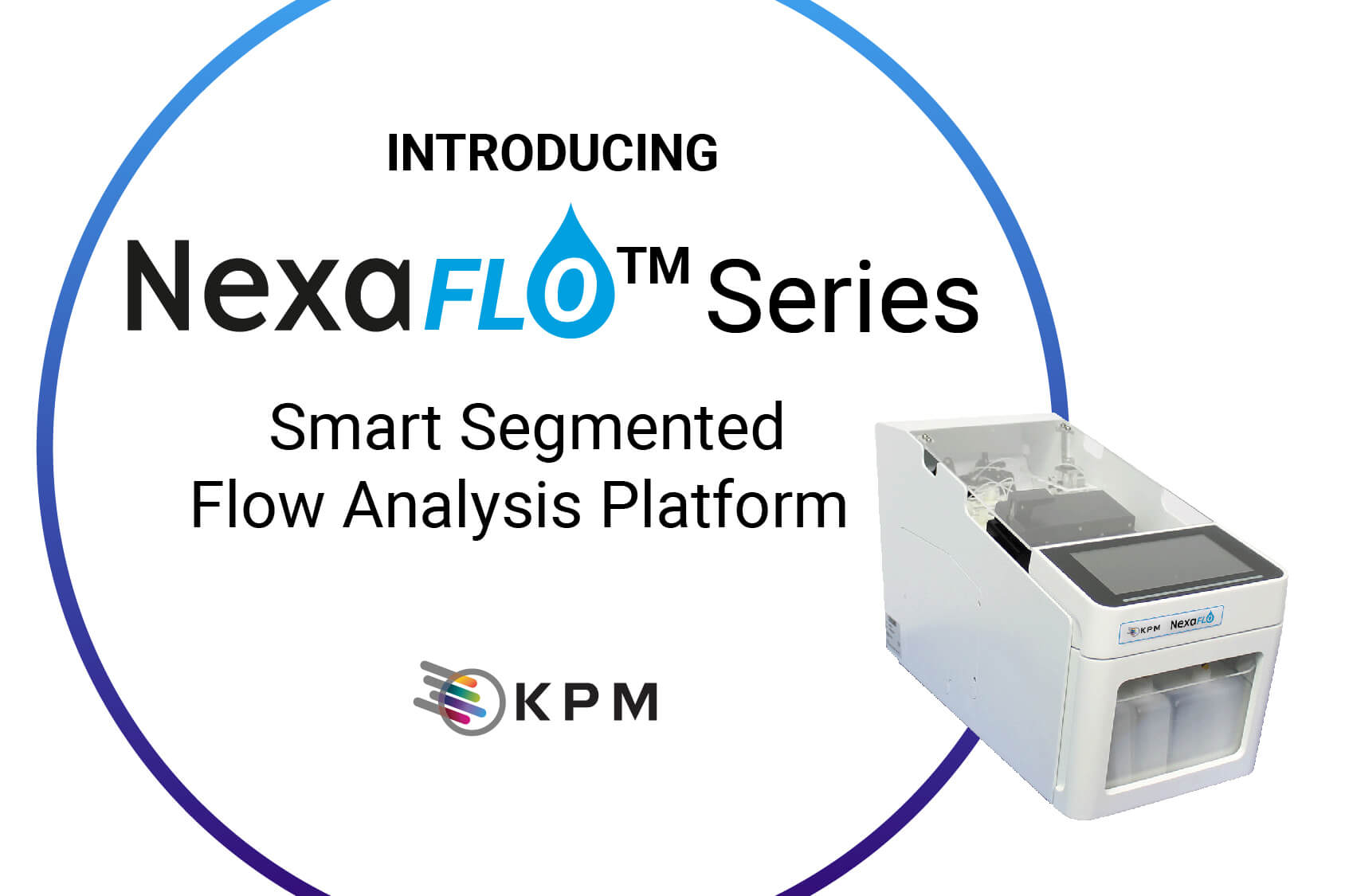
Automate Analysis and Enhance Lab Safety with New NexaFlo™ Segmented Flow Analyzer
NexaFlo™ is the fourth generation of segmented flow analyzers from KPM, which has supplied thousands of consoles for laboratories across the globe.
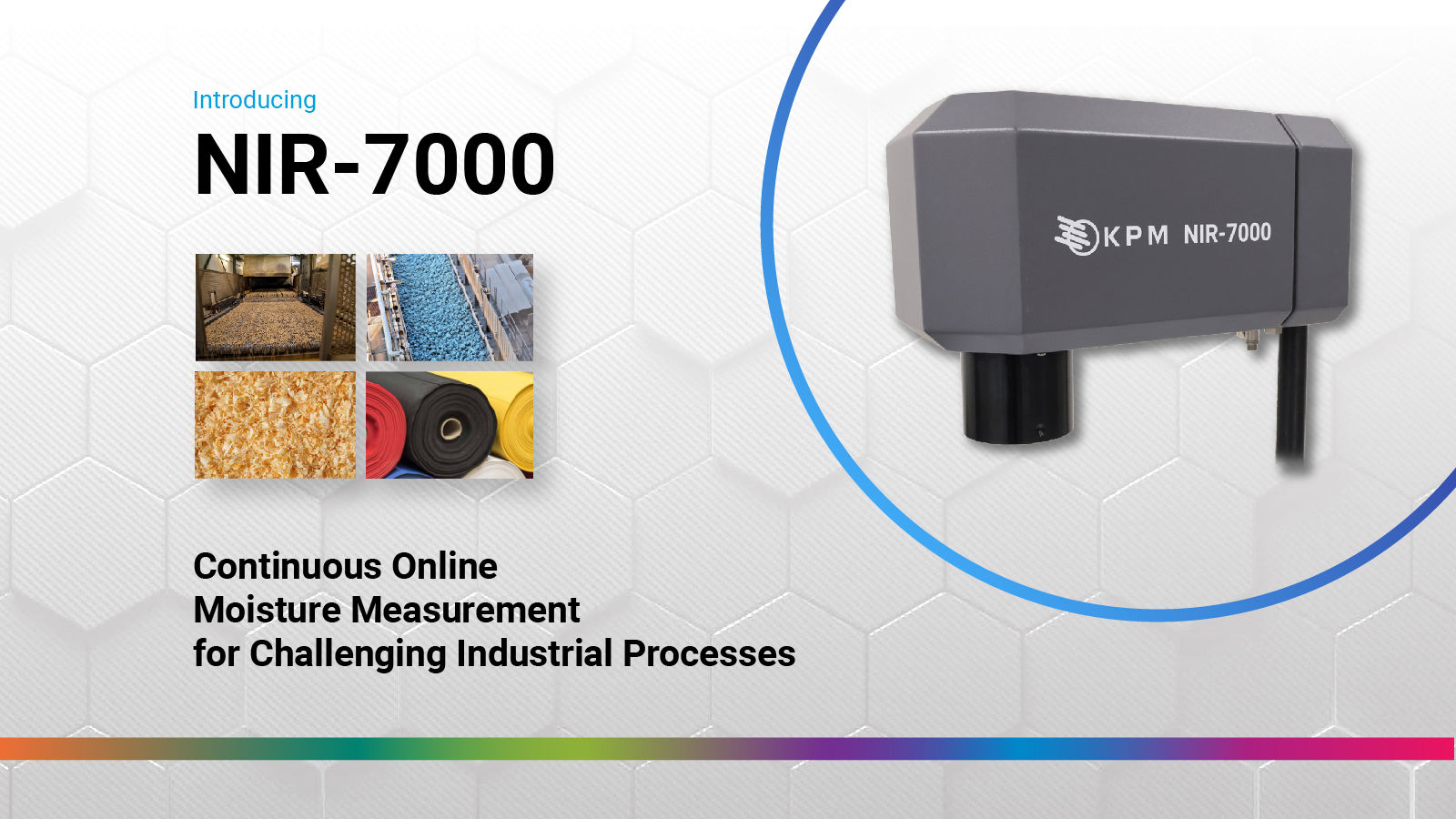
Moisture Analyzer Helps Industrial Processors Meet Financial, Quality and Efficiency Goals
This robust system represents a significant upgrade from its predecessor, the popular Sensortech NIR-6000.
The KPM Story
At KPM, we provide quality assurance to the world’s best food brands. We take pride in providing analysis solutions for every stage of production, helping protect our customers’ brands and reputation.
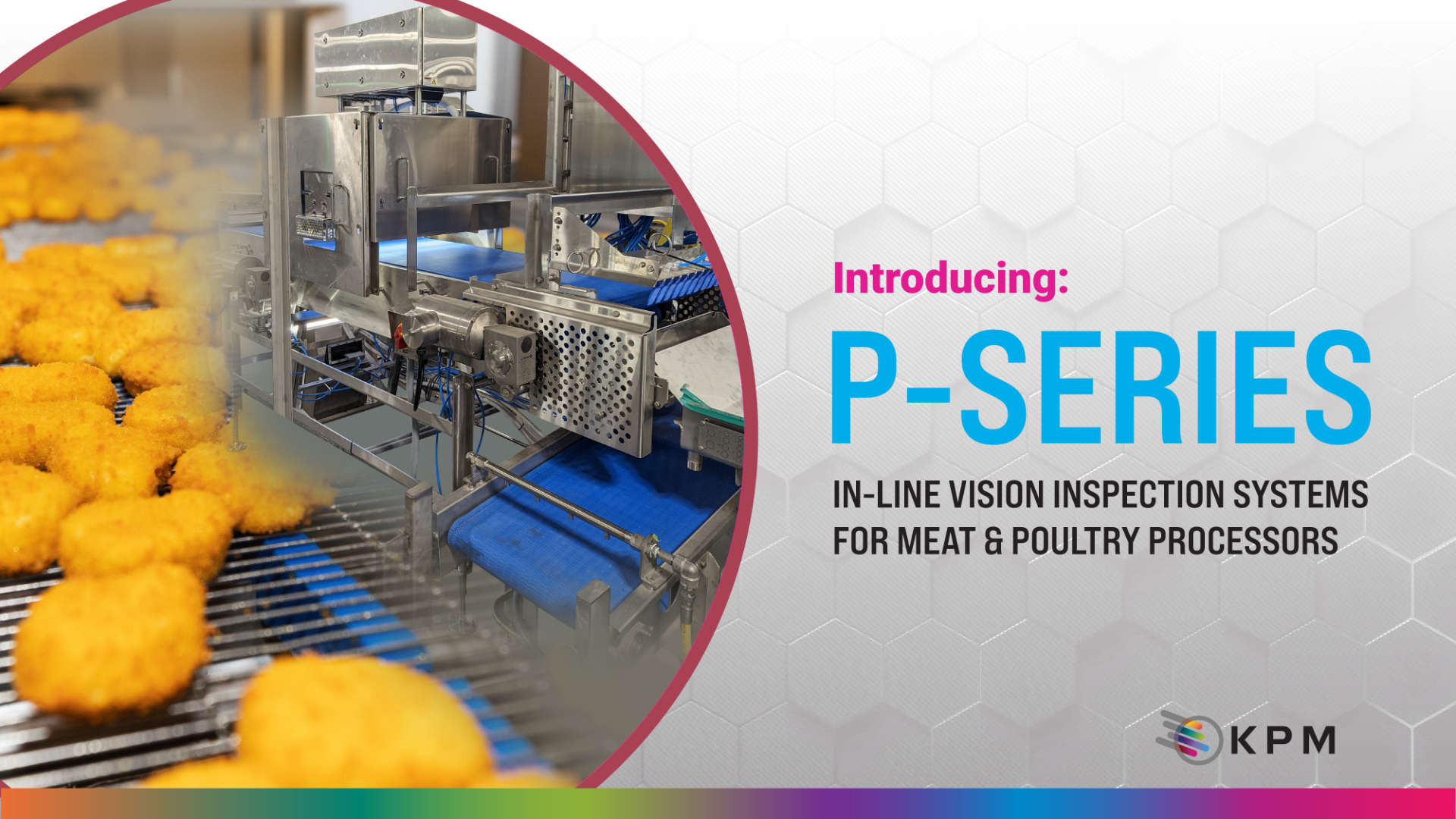
Introducing P-Series Vision Inspection for Meat & Poultry
P-Series combines a host of visual & dimensional measurements with AI to automate product quality assessment & detect foreign objects, ideal for inspecting whole, portioned, and processed meat & poultry products.
KPM Analytics Serves Bakers the Latest Innovation for Offline Product Quality Checks
KPM is pleased to introduce the new TheiaVu® E-Series Offline Vision Inspection System, specifically designed for bakery applications.

KPM Acquires Smart Vision Works
KPM Analytics acquires food focused AI developer Smart Vision Works, a specialized artificial intelligence (AI) technology company providing computer vision systems for agriculture and food industries.

How Puratos Pioneered a New Path to Predict Final Product Quality

KPM in Numbers
9
+
9 strong brands with 14 direct sales & service offices globally. And growing.
50
+
Patents granted or pending, & over 40 trademarks
100
+
Countries where our products are used
15,000
+
Installations around the world
Optimize Production Flow With Automated Handling Solutions


Self-Paced Learning


